It may sound unusual, but snail mucin has become one of the most popular ingredients in skin care around the world. Serums, creams and soaps made with it are loved for leaving skin soft, hydrated and glowing. Here is what it is, where it comes from and how to use it.
What is snail mucin?
Snail mucin, listed on ingredient labels as snail secretion filtrate, is the natural fluid that snails produce to protect their skin and help them move. Most cosmetic snail mucin comes from the garden snail (Helix aspersa, also called Cornu aspersum), which is raised on farms for this purpose. The secretion is collected, filtered and purified before it is added to skin care.
This fluid is a complex mix of natural compounds, including:
- Glycoproteins and hyaluronic acid, which help skin attract and hold moisture.
- Allantoin, a soothing ingredient also found in many products for sensitive skin.
- Glycolic acid in small amounts, which helps smooth the skin’s surface.
- Peptides, minerals and antioxidants that support the skin’s natural barrier.
A discovery from Chile
Snail mucin’s story in modern skin care is closely tied to Chile. As the story goes, in the 1980s farmers in Chile who raised snails for the European food market noticed that their hands, constantly in contact with the snails, healed quickly from small cuts and stayed remarkably soft. Their observation led to research and to some of the first snail-based creams, which became popular across Latin America and later around the world. (People have actually used snails on their skin since ancient times: the Greek physician Hippocrates is said to have recommended crushed snails for skin problems.)
Today Chile remains one of the best-known sources of snail skin care, and many of the products in our shop continue that tradition.
What does snail mucin do for the skin?
People who use snail mucin usually describe these effects:
- Hydration: it helps skin feel plumper, smoother and more comfortable, without a heavy or greasy finish.
- Soothing: it calms skin that feels tight, dry or irritated, for example after sun or wind.
- A healthy glow: regular use leaves skin looking more even and radiant.
- Smoother texture: many users find it softens the look of rough patches, marks and fine lines over time.
Research on snail secretion is still growing, and results vary from person to person, but its long track record and gentle nature have made it a favorite.
Who is snail mucin for?
Snail mucin is light and gentle, so it suits most skin types:
- Dry and dehydrated skin that needs lasting moisture.
- Combination and oily skin that needs hydration without heaviness.
- Mature skin looking for smoothness and radiance.
- Dull or tired-looking skin that needs a boost.
As with any new product, do a patch test first: apply a little on the inside of your arm or behind the ear and wait 24 hours. If you have a known allergy to snails or shellfish, check with your doctor before using it.
How to add snail mucin to your routine
- Cleanse your face with a gentle cleanser, like our snail serum soap with calendula or the Helicit snail extract soap.
- Tone, if it is part of your routine.
- Apply snail serum on clean, slightly damp skin. Pat a few drops over the face and neck. Try our Andes Organics pure snail serum or the Bohemia Style pure snail serum lotion.
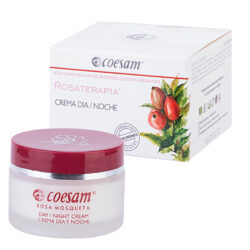
- Moisturize to lock in hydration. The Coesam Caraconat cream with rosehip and snail extract combines two Chilean favorites in one.
- In the morning, finish with sunscreen.
Snail mucin can be used morning and night, and it layers well with most other ingredients.
Snail care for your hair, too
The same gentle, moisturizing properties make snail extract a nice addition to hair care. Our snail serum shampoo and snail serum conditioner leave hair soft and manageable.
Shop snail skin care
Discover our complete snail skin care collection. And if you love natural skin care from Chile, read about rosehip oil and the wild rosa mosqueta of southern Chile.